
Seismic Retrofitting Throughout the SF East Bay
Protect Your Home. Strengthen Your Structure. Built to Last.
We retrofit homes across Lafayette, Walnut Creek, Danville, and the East Bay to resist seismic activity.
Your home is your sanctuary. It should be safe. Stay strong. Protect your family.
Your home deserves more than just cosmetic updates.
Seismic retrofitting ensures it’s safe, stable, and protected.
At US Accurate Construction, we combine engineering expertise with practical construction to strengthen foundations, walls, and key structural elements.
We handle design, permits, and construction—one team, one plan, no confusion.
Why Homeowners Choose Us
- Engineer-backed design-build team
- Structural wall and foundation expertise
- 5.0 stars on Google and Yelp
- Clean job sites with dust containment
- Clear timelines and communication
- Experience handling complex and delicate projects while families live in the home


Homes Strengthened for Peace of Mind
Smart engineering. Quality materials. Built with precision.
Seismic retrofitting does more than reinforce your home. It protects your family and preserves your property’s value.
We design and install retrofitting solutions that integrate seamlessly, keeping your home functional and safe. Every detail is planned with care.
From foundation upgrades to structural reinforcements, we create homes that offer safety, resilience, and long-term durability.
As a design-build firm, we handle everything. Assessment. Engineering. Permits. Retrofitting. One team. One clear plan. Total peace of mind.
Reinforce. Stabilize. Protect.
We specialize in retrofitting homes to withstand earthquakes.
Our solutions improve safety, preserve property value, and give you peace of mind—without disrupting your daily life.
Foundation Bolting & Wall Reinforcement
Secure your home’s foundation by anchoring it to its base and reinforcing walls to prevent sliding, shifting, or structural damage during seismic activity.
Cripple Wall Reinforcement
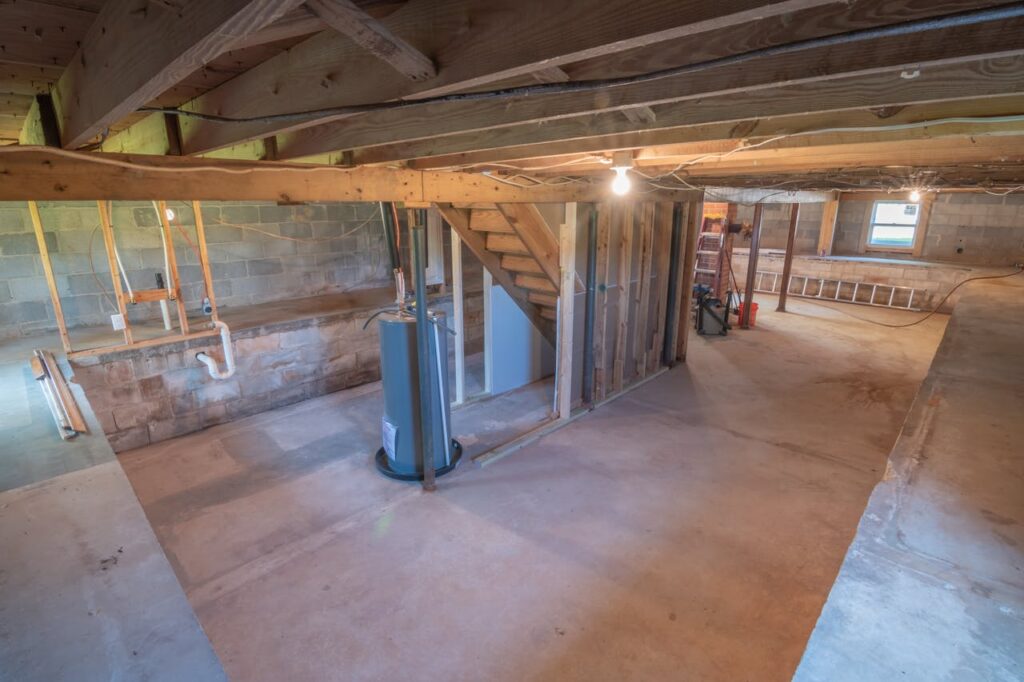
Strengthen vulnerable walls in crawl spaces and attics, reducing the risk of collapse and improving overall stability.
Structural Beam & Post Upgrades
Add or reinforce beams and posts to better support your home, ensuring load-bearing elements can withstand seismic forces.
Custom Engineer-Backed Solutions
Every home is unique.
Our licensed engineering team designs retrofitting solutions tailored to your property, local building codes, and earthquake risk.
Roof-to-Wall Connections
Enhance the connection between your roof and walls to prevent separation during strong quakes, safeguarding your home’s integrity from top to bottom.
Our Process
You deserve to know every step of the process.
Here’s how we guide your home to earthquake readiness.
Step 1 – Consultation & Assessment
Our team visits your home to evaluate its current condition, inspect foundations, walls, and structural elements, and discuss your safety goals. We identify vulnerable areas and explain the retrofitting solutions needed. You leave with a clear understanding of what your home requires and why.
Step 2 – Design & Planning
Our licensed engineers create a detailed retrofit plan tailored to your home. This includes structural upgrades, materials selection, and compliance with local building codes. We coordinate permits, schedules, and logistics upfront, so you know the scope and timeline before construction begins.
Step 3 – Proposal & Timeline
You receive a comprehensive proposal outlining the scope of work, detailed pricing, and project schedule. Every phase is transparent, and all potential questions are addressed. No surprises—just a clear roadmap for your home’s seismic upgrade.
Step 4 – Construction & Completion
Our skilled team executes the retrofit with care and precision. We protect your home using dust containment and safety measures, provide daily updates, and ensure every beam, post, and connection meets engineering standards. Once construction is complete, we conduct a thorough walkthrough so you can see your upgraded, earthquake-resistant home and feel confident in its safety.
Keep Your Home Safe. Start Today.
Book your consultation.
Protect your home and family with expert seismic retrofitting.
Seismic Retrofitting Frequently Asked Questions
Seismic retrofitting is the process of strengthening an existing building so it is better able to withstand the forces generated by an earthquake. This often includes foundation bolting, bracing crawl space walls, adding shear walls, and reinforcing structural connections. These measures help reduce the risk of structural failure, keeping occupants safer and minimizing damage during seismic events.
Most homes built before modern seismic codes — typically pre‑1980 — may be under‑reinforced for earthquake hazards. Signs your home could benefit from a retrofit include a raised foundation with unbraced crawl space walls, visible gaps between the sill plate and foundation, or soft‑story conditions where the ground floor has few structural walls. A professional inspection by a contractor experienced in seismic retrofitting is the best way to determine your home’s vulnerability.
Common seismic retrofit techniques include:
Foundation bolting: Anchors the home frame to the foundation.
Cripple wall bracing: Reinforces short walls in crawl spaces to resist lateral forces.
Shear wall installation: Adds structural panels that stiffen and strengthen walls.
Mudsill anchoring: Secures the bottom wooden plate to the foundation.
Each home’s needs vary based on foundation type, building design, and local seismic risk.
The duration depends on the size of your home, foundation type, and complexity of the retrofit work. Many raised‑foundation homes can complete basic retrofits — like bolting and bracing — in about a few days to a week, while larger or hillside homes with more complicated conditions may take longer.
Costs vary widely based on the scope and methods used. A typical seismic retrofit can range from a few thousand dollars for basic bolting and bracing to significantly more for extensive reinforcement or multi‑story buildings. Many retrofit jobs average between $3,000 and $10,000+, with larger, more complex assignments costing more depending on foundation type and labor needs.
Yes. A key part of professional seismic retrofitting is managing permits and ensuring your project meets local building and seismic code requirements. This includes preparation of engineered plans (when required), submission of paperwork to local authorities, and coordination with inspectors to secure approvals.
Yes. Strengthening your home structurally can improve safety and peace of mind, which is attractive to future buyers — particularly in earthquake‑prone regions. Retrofitted homes are less likely to sustain costly damage and can command better market perception because of enhanced resilience.
Standard homeowners insurance does not typically cover earthquake damage, and many policies have separate deductibles. However, retrofit work may help reduce future repair costs and can sometimes make your home eligible for certain insurance or local incentive programs. In high‑risk regions like California, programs such as Earthquake Brace + Bolt (EBB) provide grants to help offset retrofit costs when done by qualified contractors.
A retrofit inspection involves a trained professional examining your home’s foundation, crawl space, framing connections, cripple walls, and overall structural condition. The inspector identifies weak points and recommends appropriate retrofit solutions. Based on this assessment, a retrofit plan is developed that prioritizes code compliance and your specific seismic risks.
Choose a contractor with specific experience in seismic retrofitting who is licensed, bonded, and insured. Look for a builder who handles permitting, works with structural engineers when needed, provides detailed proposals, and uses well‑documented engineering techniques and top‑grade materials. A knowledgeable retrofit contractor ensures your home meets modern safety standards and performs well in future earthquakes.
Seismic Retrofitting Insights & Best Practices
Discover expert guidance, design strategies, and practical tips to strengthen your home against earthquakes. Learn how to protect your property, improve structural safety, and plan retrofits that provide long-term peace of mind.
How Does Project Management Keep Kitchen Remodeling On Schedule In Walnut Creek, CA?
Local kitchen remodels require permits, supply orders, and work from multiple trades. Project managers serve as the central liaison between owners, builders, and vendors. They…

What Mistakes Should You Avoid During Kitchen Remodeling In Walnut Creek, CA?
Common mistakes to avoid during kitchen remodeling in Walnut Creek, CA, include skipping a clear budget, picking low-quality materials, ignoring local building codes, and poor…

How Does Design-Build Simplify Kitchen Remodeling In Walnut Creek, CA?
Homeowners have one primary person to communicate with, so there’s less confusion and fewer delays. It goes quickly because we plan, price, and build in…