A seismic retrofit can improve a Walnut Creek home’s marketability and may support a higher resale price, but it does not guarantee an increase in appraised value. The financial benefit depends on the property’s condition, the work completed, buyer expectations, and the local market when the home sells.
For homeowners, the value of a retrofit also extends beyond resale. Strengthening vulnerable connections can reduce the likelihood of costly earthquake damage. Eligible properties may qualify for earthquake insurance discounts, and qualifying seismic improvements can receive a property tax assessment exclusion when the required claim process is completed.
The decision becomes easier when these benefits are evaluated separately. Potential resale value, insurance savings, and protection against future losses are related, but they are not interchangeable.
U.S. Accurate Design & Build serves Walnut Creek and Contra Costa County homeowners with structural construction services, including seismic retrofits. Understanding the home’s existing weaknesses and the proposed scope of work provides a practical starting point for deciding whether a retrofit is worthwhile.
Key Takeaways
- A documented seismic retrofit may improve buyer confidence, but there is no established percentage increase for Walnut Creek home values.
- Research showing higher resale prices for certain older California homes should not be treated as a guaranteed local return.
- Older raised-foundation homes with inadequate anchoring or unbraced cripple walls may benefit from strengthening.
- Qualifying homes may receive California Earthquake Authority premium discounts after verification.
- Eligible seismic improvements can qualify for an assessment exclusion when claim requirements are met.
- Permits, completed inspections, plans, and photographs help buyers verify the work.
- Retrofit decisions should consider structural needs, project costs, ownership plans, and available financial assistance.
How Can A Seismic Retrofit Affect Home Value?
The term “home value” can describe several different outcomes. A seller may mean a higher asking price, an appraiser may mean supported market value, and a homeowner may mean protecting equity against future damage. A retrofit can influence these outcomes differently.
Resale Price Depends On The Market
A buyer may appreciate a home with documented structural improvements, particularly when comparing otherwise similar older properties. Addressing a known weakness can make the home more attractive to someone concerned about earthquake exposure or future construction expenses.
However, buyers also weigh location, floor plan, maintenance, lot size, and overall condition. A retrofit does not override those factors. Two houses with similar structural improvements can receive different offers because their broader features differ.
The research discussed below does not establish a standard resale premium for Walnut Creek homes. Applying its findings as a fixed percentage of a local property’s estimated value would create an unreliable forecast.
Marketability Can Improve Without A Measurable Premium
A retrofit may help a property compete even when buyers do not offer a clearly identifiable additional amount. Complete records can make it easier to understand which weaknesses were addressed and which questions still require investigation.
For example, a buyer comparing two older houses might prefer the one with approved retrofit plans and completed inspection records. That preference could influence the purchase decision without producing a separate dollar amount attributable to the retrofit.
Improved marketability does not guarantee a faster sale. Pricing, inventory, financing, and property condition still affect the transaction.
Appraised Value Requires Supporting Evidence
An appraisal evaluates the property within its market and relies on relevant evidence, including comparable sales. The amount spent on construction is not automatically added to the appraised value.
A homeowner who spends $10,000 on structural strengthening should not assume the appraisal will rise by $10,000. The improvement may contribute to the appraiser’s evaluation of condition or market appeal, but any adjustment must be supportable.
Before making a retrofit primarily for resale, ask a local real estate professional or appraiser how comparable buyers recognize documented structural improvements.
What Does Research Say About Retrofit Resale Value?
Research provides useful context, but the findings require careful interpretation. A study of older California houses cannot predict the outcome for every Walnut Creek property.
The Frequently Cited 17% Finding Has Limits
A 2022 study published in ASCE’s Natural Hazards Review examined 217 California single-family homes built before 1960. Its analysis associated retrofitting with approximately 17% higher sale prices for pre-1940 homes sold in 2020.
For homes built from 1940 through 1959, the estimated difference was about 1%, with a weak correlation.
Those distinctions matter. The larger finding did not apply equally to all pre-1960 homes, and it does not establish a 17% increase for Walnut Creek properties. It also should not be described as the maximum possible return.
Observational research can identify an association without proving that retrofitting alone caused the price difference. Differences in maintenance, other improvements, and property characteristics may influence results.
Damage Reduction Is A Separate Financial Benefit
Research on earthquake performance examines another form of value: losses that strengthening may help avoid.
The Pacific Earthquake Engineering Research Center’s CEA-funded research evaluated how crawl-space bracing and foundation anchoring affect wood-frame houses. Testing and computer modeling found that these retrofits could substantially reduce repair costs under the earthquake scenarios studied.
These findings concern potential damage reduction, not resale premiums. They do not establish a dollar saving for an individual Walnut Creek property. Actual outcomes depend on shaking, construction, existing vulnerabilities, and the retrofit performed.
Broad Mitigation Returns Are Not Personal Investment Forecasts
The National Institute of Building Sciences estimated a nationwide average benefit of $13 per $1 spent for the earthquake building-retrofit measures it analyzed.
That figure describes modeled benefits across the studied retrofits and affected parties. It does not mean a homeowner will receive $13 in cash or additional sale proceeds for every retrofit dollar.
The useful lesson is that mitigation can produce substantial benefits. For an individual property, the decision still requires a realistic project estimate and an understanding of the risks being addressed.
Why Is Seismic Retrofitting Relevant To Walnut Creek Homes?
Walnut Creek’s earthquake exposure makes structural preparedness relevant throughout homeownership. The appropriate response depends on the building rather than its address alone.
Regional Earthquakes Can Affect The City
Walnut Creek can experience shaking from earthquakes on regional fault systems, including the Hayward and Concord–Green Valley systems and other nearby sources.
A house does not need to sit directly over a fault to sustain damage. Ground shaking can affect buildings across a broad area, and local soil conditions can influence the severity of that shaking.
Some properties also face ground-related hazards such as liquefaction or earthquake-induced landslides. A standard brace-and-bolt retrofit addresses specified building weaknesses; it does not eliminate geological hazards or make a home earthquake-proof.
Properties with unusual site conditions may need evaluation beyond a conventional crawl-space retrofit.
Older Homes May Have Vulnerable Connections
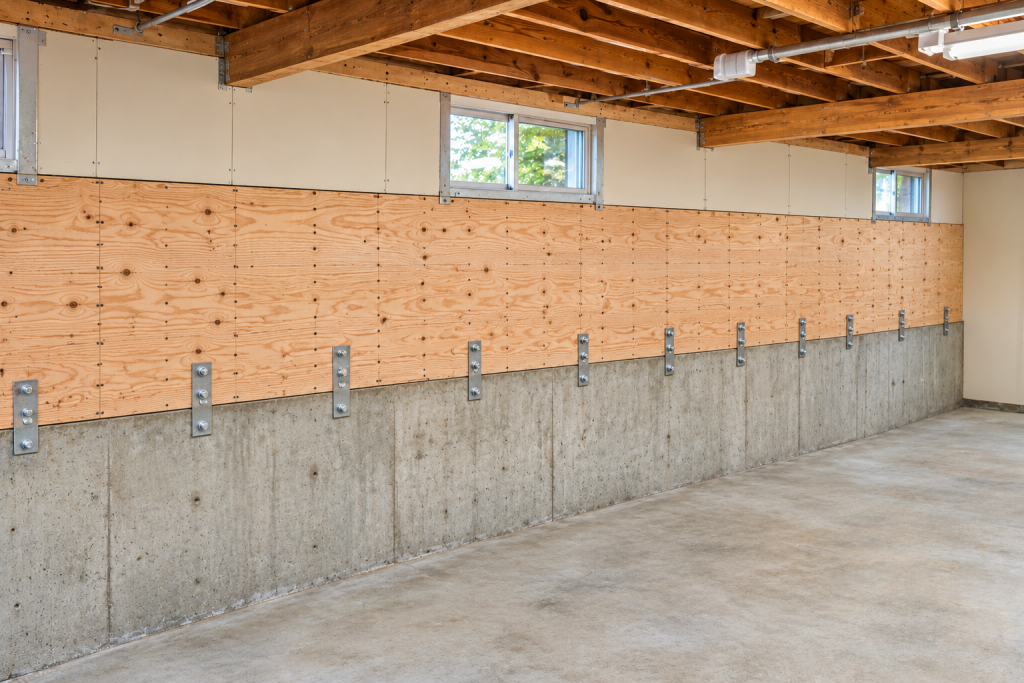
Older wood-frame houses can have inadequate connections between the foundation, sill plate, crawl-space walls, and floor framing.
Where cripple walls are present, insufficient bracing can allow them to rack or collapse during shaking. Inadequate foundation anchoring can allow the building to shift relative to its foundation.
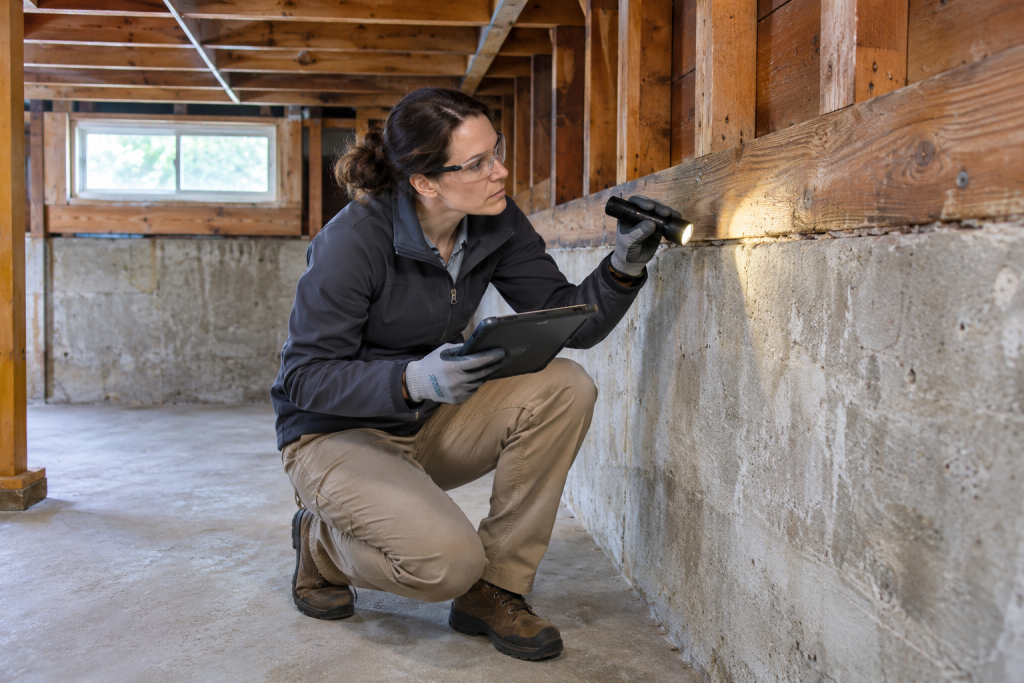
Construction year is a useful screening factor, but it is not a complete assessment. Some older homes have already received effective strengthening. Others may have partial work, deteriorated materials, or alterations that need further review.
The important question is what exists now and whether the connections form an adequate load path through the building.
Disclosures Help Buyers Understand Existing Risks
California sellers must disclose known property defects, including earthquake-related weaknesses. Sellers of qualifying pre-1960 homes with one to four units of conventional light-frame construction must also provide the Homeowner’s Guide to Earthquake Safety and the applicable earthquake-risk disclosure.
Completing a retrofit can document corrected conditions, but it does not eliminate disclosure obligations.
A property’s location within a mapped seismic hazard zone may also require disclosure. Geological investigations generally relate to regulated construction or development projects rather than the sale itself.
Homeowners should avoid treating a retrofit permit as proof that every structural or site-related concern has been resolved.
Which Retrofit Improvements Can Support Buyer Confidence?
The improvements that matter most depend on the home’s weaknesses. There is no reliable resale ranking that places one retrofit measure above another for every property.
Foundation Anchoring
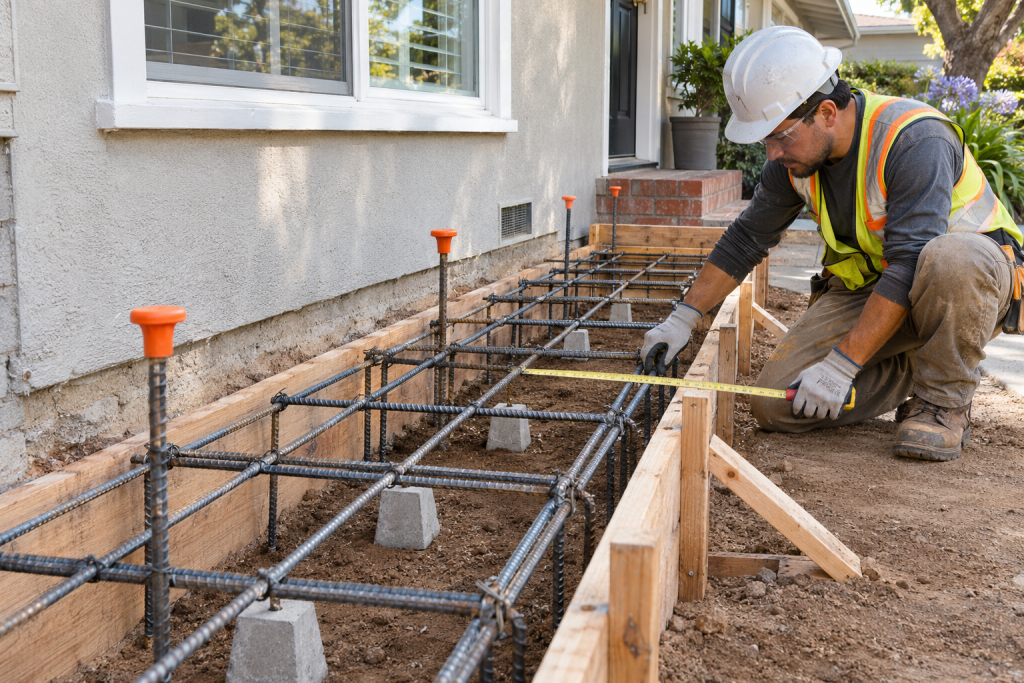
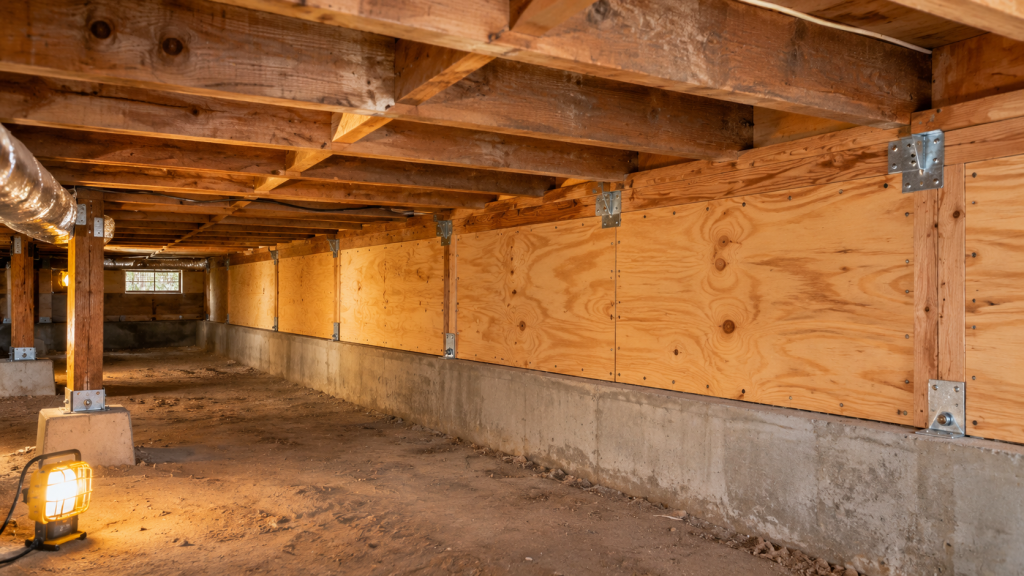
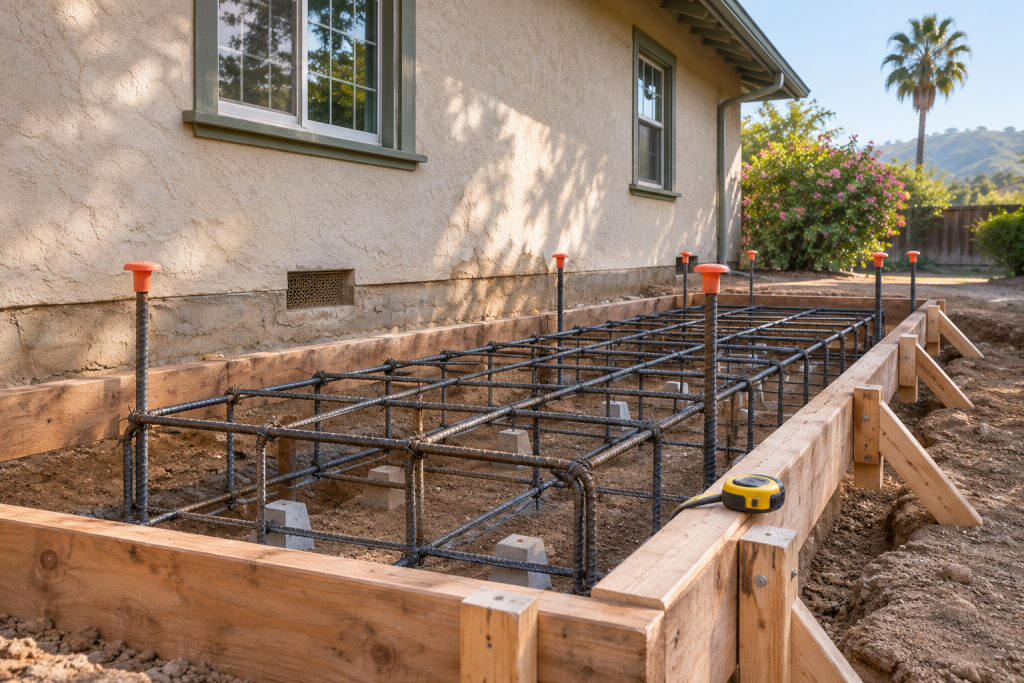
Foundation anchoring connects the wood framing to the supporting foundation. In appropriate raised-foundation houses, improving this connection helps reduce the risk of the structure sliding during strong shaking.
The installation must suit the existing foundation and approved plans. Foundation condition, access, hardware selection, and installation details all affect the work.
Adding anchors to deteriorated concrete does not automatically resolve the underlying problem. Where the foundation is damaged or unsuitable, repairs or a different design may be necessary.
Buyers benefit from documentation explaining what was installed and whether associated foundation concerns were addressed.
Cripple Wall Bracing And Floor Connections
Cripple walls are short framed walls between the foundation and the floor above. Where these walls lack adequate bracing, approved sheathing and connection details can improve resistance to lateral forces.
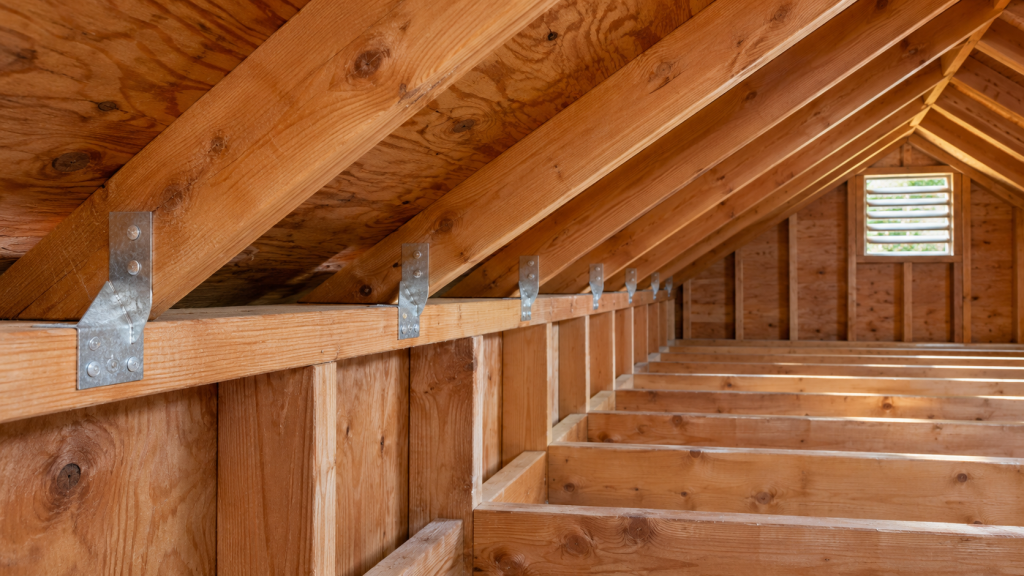
Bracing and anchoring need to work together with connections to the floor framing. The objective is a continuous load path, allowing earthquake forces to transfer through connected structural elements.
For eligible houses, prescriptive plans may provide the required details. Those plans have limits, and the contractor must establish that the building fits their conditions.
A house with unusual geometry, tall crawl-space walls, or other complications may require an engineered design.
Soft-Story And Other Engineered Strengthening
Living space above a garage or another open lower level can create a structural weakness, depending on the design and existing construction.
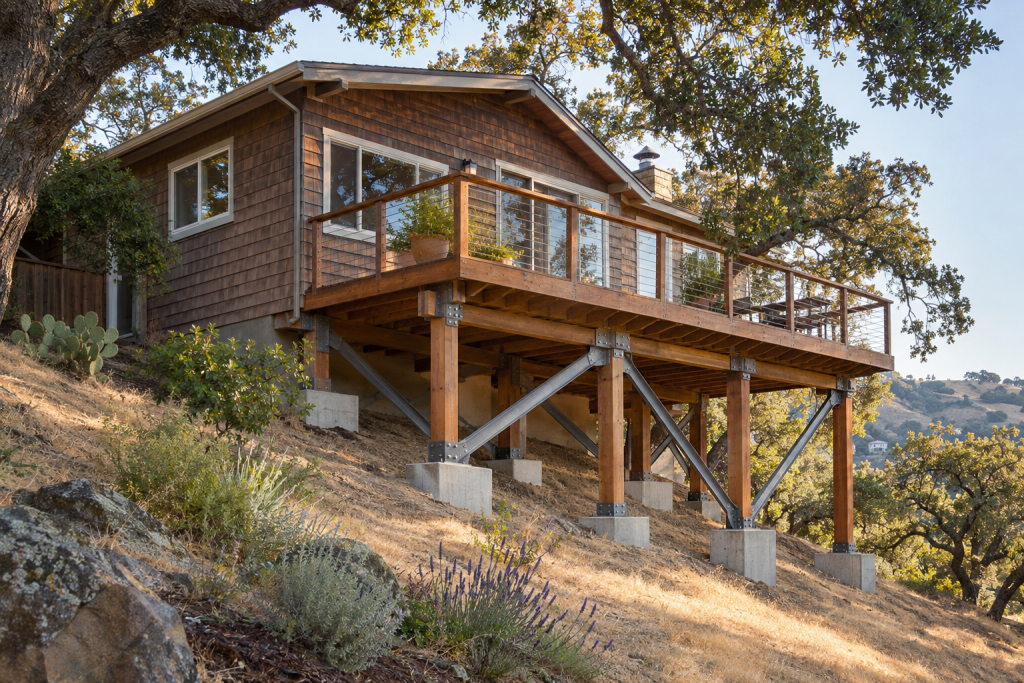
An evaluation can determine whether strengthening is needed. Appropriate measures may include shear walls, frames, foundations, and connections designed for the specific building.
A garage beneath living space does not automatically mean the house needs steel framing. The design should follow the assessed weakness rather than a predetermined construction method.
For resale purposes, a clear description of the improvement is more useful than a vague statement that the property has been “earthquake upgraded.” Documentation should distinguish a crawl-space retrofit from a broader engineered structural project.
How Should Homeowners Compare Retrofit Costs And Benefits?
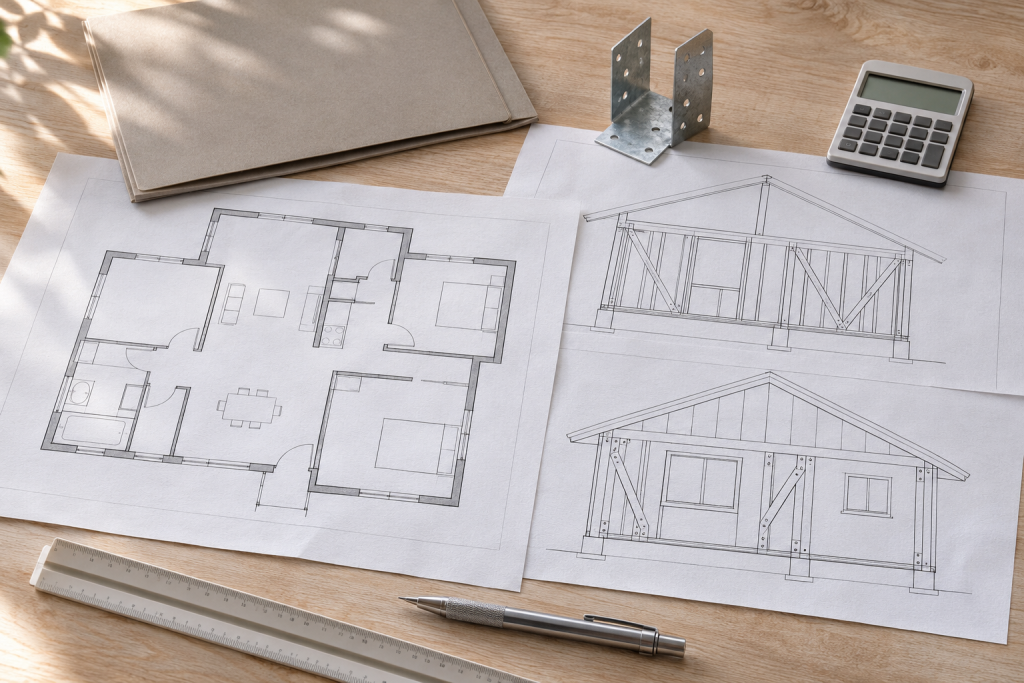
A useful financial evaluation starts with an inspection and a defined scope. Online price ranges cannot reveal whether a particular house needs basic strengthening, foundation repairs, or extensive engineering.
Understand The Starting Cost Range
The California Residential Mitigation Program lists a typical contractor-completed Earthquake Brace + Bolt retrofit at approximately $3,000 to $7,000.
This is a general program estimate rather than a Walnut Creek quote. Actual costs can be higher when the project involves difficult access, foundation deterioration, complicated framing, engineering, or additional repairs.
A larger structural project should not be compared directly with a standard brace-and-bolt estimate. The scope may involve different construction, permitting, and design requirements.
Compare Complete Written Proposals
Two bids are useful only when they describe comparable work. A lower price may exclude engineering, permit fees, required connections, or repairs included in another proposal.
Ask each contractor to identify:
- The structural weaknesses being addressed.
- The plans or design governing the work.
- Permit and inspection responsibilities.
- Engineering and construction costs.
- Repairs included in the proposal.
- Conditions that could require additional work.
- Documentation provided at completion.
Clarifying exclusions before signing helps prevent misunderstandings. A detailed proposal also makes the completed work easier to explain to a buyer later.
Evaluate Several Benefits Without Double Counting
Consider immediate costs alongside potential insurance savings, available grants, and the purpose of reducing earthquake losses.
For example, suppose a written quote is $8,000 and an approved grant reimburses $3,000. The homeowner’s remaining project expense would be $5,000, assuming all costs qualify and no additional work is required.
If the insurer separately confirms an annual premium reduction, that saving can be included in an ownership budget. It should not also be treated as a guaranteed resale increase.
Potential damage avoidance is different again. It represents protection against an uncertain future loss, not money that arrives each year.
A retrofit can be worthwhile without a predictable payback period. The decision may rest on reducing an identified vulnerability and protecting the home’s continued use after an earthquake.
Can Insurance Discounts, Grants, And Tax Rules Improve The Financial Value?
These programs can affect affordability, but none should be assumed before eligibility and documentation requirements are confirmed.
Earthquake Insurance Discounts Require Verification
The California Earthquake Authority offers hazard-reduction discounts for eligible, properly retrofitted homes.
Its published schedule includes discounts of 20% for qualifying raised-foundation houses built from 1940 through 1979 and 25% for those built in 1939 or earlier. Eligible houses with other non-slab foundation types have lower discount tiers.
Requirements include qualifying construction characteristics, appropriate structural improvements, and a properly secured water heater. The retrofit must be verified through the required process.
Ask the insurer to confirm the applicable discount and estimated premium change before including savings in a budget. A retrofit does not automatically reduce every earthquake policy, and ordinary homeowners insurance generally does not cover earthquake damage.
Grant Approval Must Precede Certain Project Steps
Earthquake Brace + Bolt offers grants of up to $3,000 for qualifying projects. Supplemental assistance may also be available to income-eligible participants.
Eligibility generally involves an older wood-frame home with a raised foundation in a participating ZIP code, along with other program requirements.
Registration occurs during designated periods, and eligibility does not guarantee funding. Participants must follow the acceptance, permit, approval, and documentation process.
Check the current rules before obtaining permits or starting construction. Work begun too early can make a project ineligible. If combining the retrofit with remodeling, coordinate carefully because program rules require a permit dedicated to the seismic retrofit.
The Assessment Exclusion Requires A Claim
Qualifying seismic retrofit improvements to an existing structure can be excluded from property tax assessment under California law.
Contra Costa County requires Form BOE-64 before or within 30 days of project completion. Supporting documents must be submitted within six months of completion. The qualifying seismic components must also be certified to the building department as required by the claim process.
The exclusion applies to eligible seismic components rather than every improvement performed during a remodel. It expires upon a change in ownership and does not prevent ordinary annual assessment increases or other applicable reassessments.
Discuss the requirements with the county assessor before construction is complete. Keeping permit records is important, but keeping records alone does not replace filing the required claim.
What Should Walnut Creek Homeowners Do Before Retrofitting Or Selling?
The best next step depends on the home’s condition and the owner’s plans. A homeowner preparing to list needs a different timeline from someone planning to remain for many years.
Establish What Work Is Already Present
Begin with available permits, plans, invoices, and previous inspection records. These may reveal whether earlier work covered the entire house or only part of it.
Older documentation should be compared with current conditions. Additions, remodeling, moisture damage, or foundation deterioration may affect an earlier assessment.
If the seller describes a previous retrofit without supporting records, avoid assuming it meets today’s applicable requirements. A qualified professional can evaluate visible conditions and explain what remains uncertain.
This review can prevent unnecessary duplication while identifying incomplete or unsuitable work.
Make The Selling Decision With Property-Specific Advice
California’s earthquake disclosure requirements generally do not require a seller to retrofit before transferring the property. That leaves room to evaluate timing and cost.
Ask a local real estate professional how buyers of comparable homes respond to structural concerns. Then compare that advice with the contractor’s assessment and project schedule.
Completing work before listing may help when there is a clearly identified weakness and sufficient time for permits, construction, and final inspection. In other circumstances, disclosure and pricing may be more appropriate.
Avoid assuming that every pre-1960 house should be retrofitted immediately before sale or that a newer house cannot benefit from evaluation.
Choose Qualified Professionals And Preserve Records
Verify the contractor’s California license and ask about relevant seismic work. For conditions beyond prescriptive plans, obtain the appropriate design professional’s involvement.
Before construction begins, establish who handles permits, inspections, changes to scope, and completion records.
Retain approved plans, permit documents, final inspection records, photographs, invoices, and any insurance verification forms. Organize them so a future buyer can understand the scope without reconstructing the project.
Describe the work accurately in a listing or disclosure. A permitted brace-and-bolt retrofit is a meaningful improvement, but it should not be presented as a guarantee against earthquake damage or certification of the entire property.
Conclusion
A seismic retrofit may support home value in Walnut Creek by improving buyer confidence and addressing structural weaknesses that could otherwise create uncertainty. However, neither a resale premium nor an appraisal increase is guaranteed.
Its more direct purpose is to reduce the likelihood of specified earthquake damage. Qualifying projects may also lower earthquake insurance premiums, receive grant assistance, and qualify for a property tax assessment exclusion when the required processes are followed.
For homeowners, the practical approach is to assess the building, define the work, compare complete proposals, and keep clear records. That creates a stronger basis for both the construction decision and any future sale.
Ready to find out what your home needs? Request a consultation with U.S. Accurate Design & Build.
Frequently Asked Questions
1. Does A Seismic Retrofit Guarantee A Higher Selling Price?
No. A retrofit may improve buyer confidence or make an older home more competitive, but the selling price still depends on location, condition, comparable properties, pricing, and demand. Research involving other California homes does not establish a guaranteed Walnut Creek premium. Evaluate the project as a structural improvement first and a possible resale benefit second.
2. Will A Seismic Retrofit Increase My Property Taxes?
Qualifying seismic improvements can be excluded from assessment when the required claim process is completed. Contra Costa County requires Form BOE-64 before or within 30 days of completion, with supporting documents submitted within six months. The exclusion does not cover unrelated remodeling expenses, prevent ordinary annual assessment increases, or continue after a change in ownership.
3. How Much Can A Retrofit Reduce Earthquake Insurance Premiums?
CEA discounts depend on the home’s age, foundation type, construction characteristics, and verified retrofit. Its published tiers range from 10% to 25% for qualifying houses. Ask your insurer to confirm eligibility, required documentation, and the actual premium reduction. Do not assume that the maximum discount applies to your home or to a policy from another provider.
4. Should I Complete A Retrofit Before Selling?
Consider an assessment when the home has known or suspected structural weaknesses. Whether to complete the work before listing depends on the scope, cost, permit timeline, and likely buyer concerns. A local real estate professional can help assess the market implications. Retrofitting does not eliminate the need to disclose known conditions or previous work accurately.
5. Can I Combine A Seismic Retrofit With A Remodel?
Yes, coordinated planning may make sense when both projects involve the same areas of the home. However, construction schedules, inspections, and permit requirements must remain clear. If using an EBB grant, follow its specific rules, including the requirement for a permit dedicated to the retrofit. Confirm potential efficiencies before assuming the combination will reduce costs.
6. Do Newer Homes Or Slab-Foundation Homes Need Retrofitting?
They may have different vulnerabilities from older raised-foundation houses. A slab-foundation home generally does not need crawl-space cripple wall bracing, but other structural concerns can exist. Newer construction may already include stronger connections, although age alone does not establish adequacy. Hillside construction, substantial alterations, irregular layouts, and rooms above garages can justify professional evaluation.
7. What Documents Should I Keep After The Work Is Finished?
Keep the approved plans, issued permit, final inspection record, construction photographs, invoices, and applicable engineering documents. Retain grant records and insurance verification separately. These materials help explain what was completed and support future questions from buyers or insurers. An invoice or permit alone may not demonstrate the full scope or confirm successful final inspection.
Strengthen Your Home With A Professional Seismic Retrofit
A seismic retrofit can be one of the most important improvements you make to help protect your home from earthquake damage. By reinforcing key structural connections and strengthening vulnerable areas, a retrofit can improve how your home responds during seismic activity and reduce the risk of serious structural damage.
A successful seismic retrofit requires careful evaluation, proper planning, and experienced construction. Depending on the home, work may include foundation bolting, cripple wall bracing, structural reinforcement, framing upgrades, and other improvements that strengthen the connection between the home and its foundation. Each retrofit should be tailored to the property’s existing structure, age, and construction.
The result is a stronger, more resilient home that is better prepared for future earthquakes. With U.S. Accurate Design & Build, we carefully plan and professionally complete your seismic retrofit to improve structural stability, safety, and long-term peace of mind. Contact us today to get started.
Disclaimer
The information on this website is provided for general informational purposes only and is not intended to serve as professional construction, engineering, architectural, legal, or financial advice. Every construction and remodeling project is unique, and requirements may vary based on property conditions, local regulations, and project scope. You should consult directly with qualified professionals, including licensed contractors, engineers, architects, or other appropriate advisors, before making decisions related to your property or construction project. Do not rely solely on the information on this website when planning or undertaking construction, renovation, or related work. While we strive to keep the information on this website accurate and up to date, construction standards, building codes, and best practices change over time. We make no guarantees regarding the completeness, accuracy, or timeliness of the content. To the fullest extent permitted by law, U.S. Accurate Design & Build disclaims any liability for actions taken or not taken based on the information provided on this website.